How to Improve Patient Dignity During Transfers
Updated: 16 hours ago
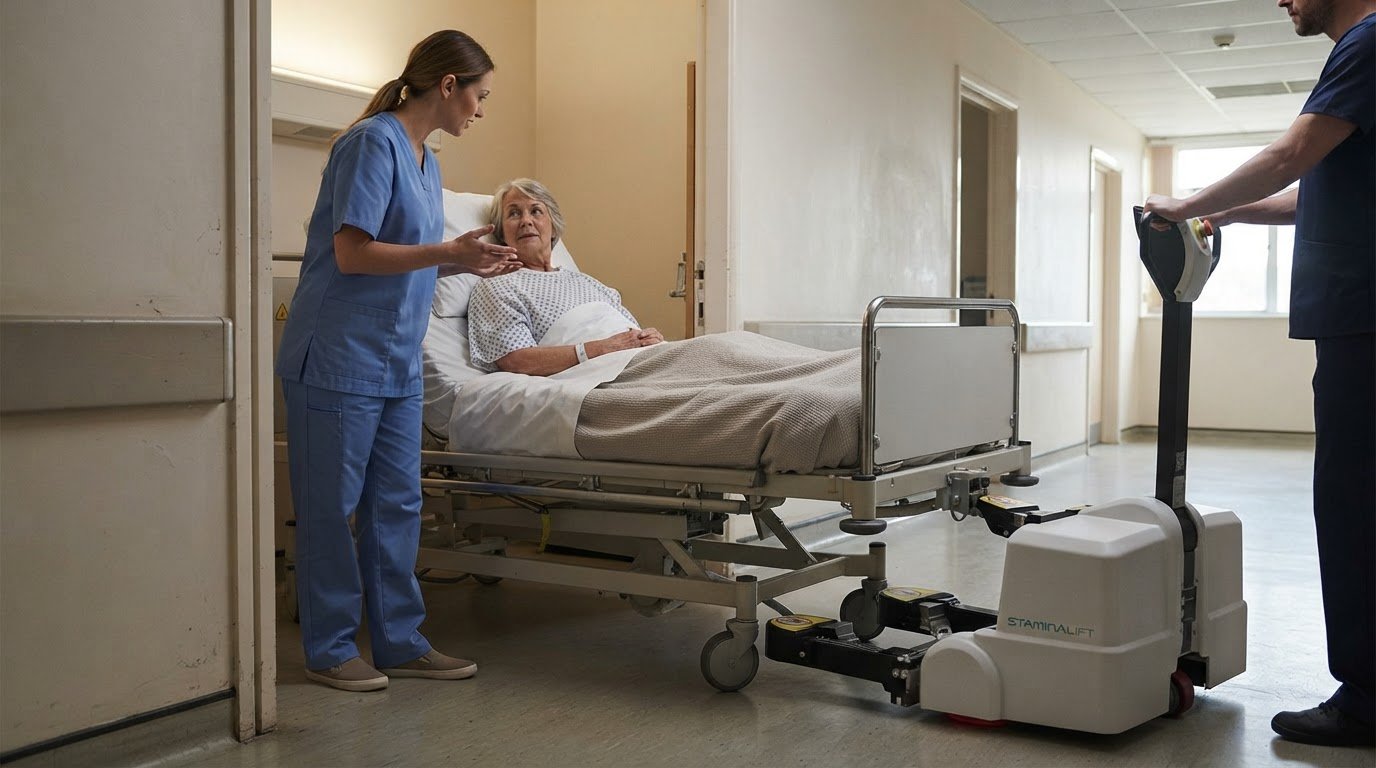
A safe patient transfer protects dignity as well as physical wellbeing. Knowing how to improve patient dignity during transfers starts with speaking respectfully, asking about preferences and gaining consent before touching or moving someone. Suitable handling equipment can also help make a transfer smoother and more comfortable.
Preventing discomfort and injury during a move is essential, but how the transfer is carried out matters too. Clear explanations, privacy and opportunities to participate can help patients feel respected and more in control.
This article covers practical ways to make transfers more dignified, from adapting care to individual preferences to choosing suitable equipment and supporting safe movement. Thoughtful communication and handling practices work together to promote comfort and preserve independence where it is safe to do so. Alongside day-to-day handling, sustaining physical resilience and mobility over time is essential for overall quality of life, with platforms like IRON RX offering science-backed, clinician-guided longevity care to support long-term wellness.
Table of Contents
1. Using respectful verbal and nonverbal communication
A respectful transfer begins with a greeting and conversation, not an unexpected touch. Ask how the patient would like to be addressed, explain the move in plain language and pause for their response. For example, say, “Good morning, Sam. I’m here to help you move to the chair. Is now a suitable time?” This gives the person a chance to ask questions or raise concerns before movement begins.
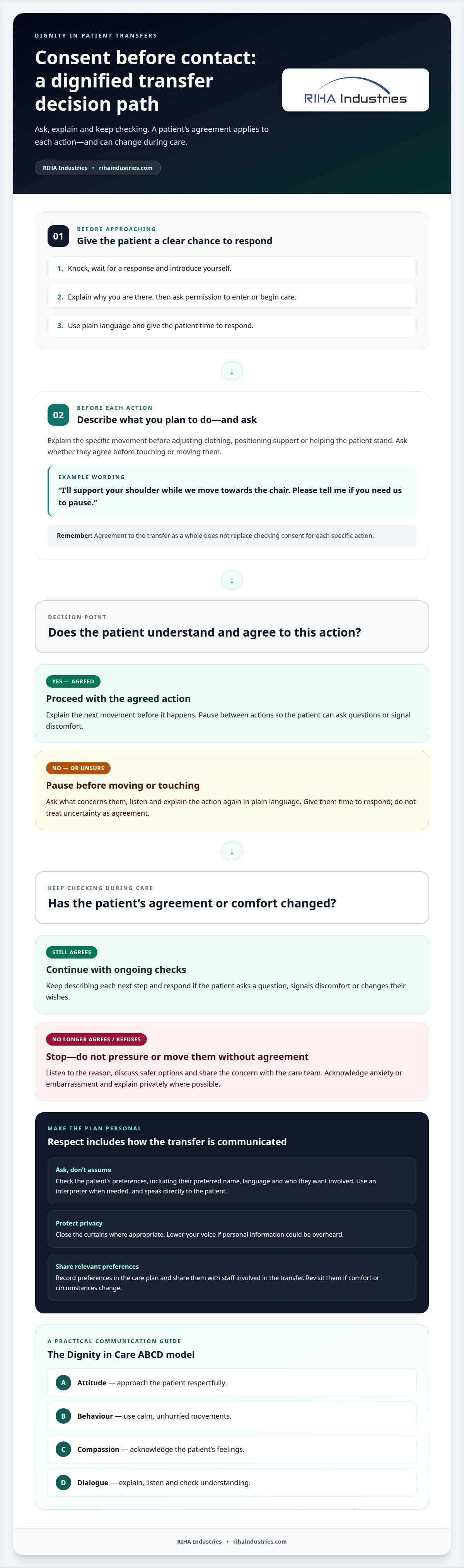
The Dignity in Care ABCD model focuses on Attitude, Behaviour, Compassion and Dialogue. Put it into practice by approaching at eye level where possible, speaking calmly, listening without interrupting and acknowledging the patient’s feelings. A relaxed posture and unhurried movements reinforce verbal reassurance. Avoid speaking over the patient or using a patronising tone, even when care is time-sensitive.
Clear communication also means explaining the transfer in manageable steps. Describe what will happen next, such as positioning a sling or moving towards a chair, and check that the patient understands. Avoid jargon and rushed instructions. If personal information needs to be discussed, lower your voice when others could overhear. Close the curtains before care where appropriate, and speak to the patient rather than discussing them as though they are not present.
Before a transfer, staff communication should support an individual risk assessment. Share relevant information, including the patient’s concerns, communication needs and ability to take part. Agree who will explain and coordinate each movement so staff do not give conflicting instructions. If the patient’s condition, confidence or needs have changed, pause and reassess the plan together instead of relying on an earlier handover.
Culturally aware communication starts with asking, not assuming. Invite the patient to describe preferences that affect how they receive care, including language, form of address or who they want involved in the conversation. Use an interpreter when needed to support understanding, and speak directly to the patient. A person’s age, ethnicity, citizenship, gender or illness should not determine the respect or attention they receive.
If a patient feels embarrassed or anxious, pause, acknowledge the concern and explain the transfer privately, offering choices where possible. If they refuse, do not pressure them or move them without agreement. Listen to their reason, discuss safer options and share the concern with the care team. This helps distinguish a practical barrier, such as fear of pain, from a preference that should shape the plan.
2. Adapting care to cultural beliefs and individual preferences
Personalised care begins by asking what matters to the person rather than making assumptions based on appearance or background. A patient may prefer a particular name, want a family member present or feel more comfortable with specific staff during intimate care. Ask about these preferences before planning the transfer, then explain how the team can accommodate them. Cultural beliefs and values can shape how someone understands care, privacy and physical contact.
Consent should be an ongoing conversation, not a single question before movement starts. Explain the purpose of the transfer, what the patient will experience and how staff will help. For example, say, “I’ll support your shoulder while we move towards the chair. Please tell me if you need us to pause.” Check that the patient understands and agrees before proceeding, and respond if their wishes change during care.
Talking through each action can help the patient anticipate what is happening and feel less like they are being moved without control. Before adjusting clothing or positioning, describe the next step in everyday language: “I’m going to place this support behind your back now.” Pause between actions so the person can ask questions or signal discomfort. Avoid unnecessary comments about the patient’s body, and direct explanations to them, not only to family or nursing staff.
Comfortable positioning depends on the person’s needs and preferences. Ask whether they feel cold, whether a pillow would help or which side they find easier to move towards. A small adjustment to the room temperature or the patient’s position may make the transfer more comfortable. Offer a well-fitting gown that fastens securely, and use a drape to maintain coverage while staff prepare.
Personal items can make an unfamiliar transfer feel less disruptive. If a patient uses glasses, hearing aids or a familiar blanket, ask whether they would like these kept nearby when safe and practical. Explain where belongings will be placed before the transfer begins. These simple steps help preserve familiarity and keep the person engaged with their surroundings.
Record relevant preferences in the care plan and share them with staff involved in the transfer. A note such as “prefers instructions before each movement” gives colleagues a practical way to provide consistent care. Include the patient’s preferred form of address, positioning needs and any cultural considerations they have chosen to share. For individuals managing serious health challenges, healthcare providers such as Sunridge Medical emphasise how tailoring physical support to individual comfort helps preserve dignity throughout treatment. Revisit these details if the person’s comfort or circumstances change, rather than treating an earlier preference as permanent.
3. Asking permission and consent before touching or examining patients
Knock before entering, wait for a response and introduce yourself before approaching the bedside. Explain why you are there, then ask permission to enter or begin care. Before adjusting clothing, placing support or helping the patient stand, describe the action and ask whether they agree. These brief steps give the person a clear opportunity to respond before physical contact begins.
Consent should cover each specific action, not just the transfer as a whole. A patient may agree to move but want staff to explain before positioning equipment or touching their arm. Pause if they seem uncertain, ask what concerns them and explain the next movement in plain language. Keep checking their response as care progresses, since a person can change their mind or ask for a pause.
Respect the patient’s right to refuse care. If they decline a transfer, do not proceed by force or treat silence as agreement. Ask what is behind the decision, such as discomfort, fear of falling or a wish to wait. Acknowledge their answer, explain relevant options and share the concern with the care team. Staff can then consider the person’s needs and agree on a suitable plan.
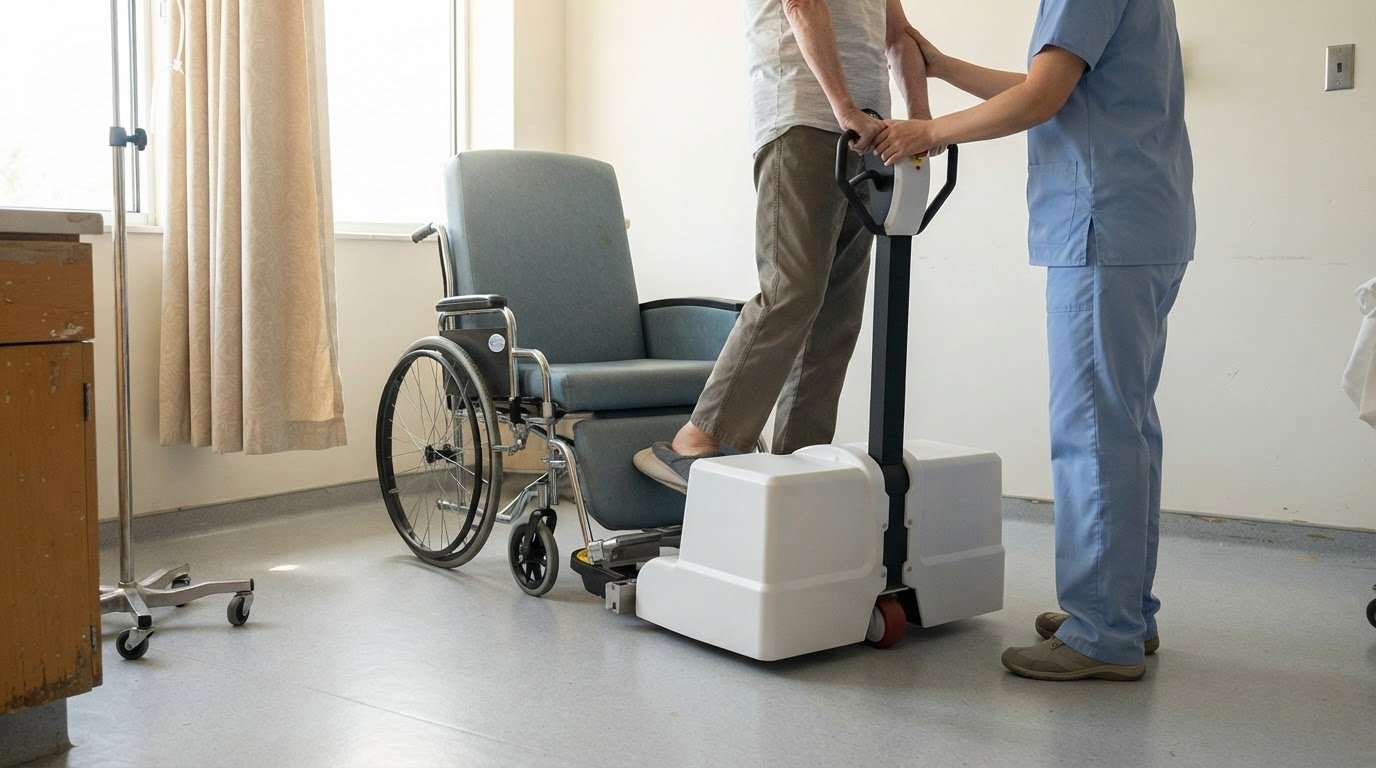
Plan team lifts and assistance around the patient’s assessed needs, not staff convenience. Use a mechanical lift or two-person assist when the risk assessment and care plan indicate that the patient cannot be moved safely using a less supportive method, or when the transfer needs additional support. Consider the person’s ability to participate, the movement required and the equipment available. Staff should be trained in the method they use.
Before a team-assisted transfer, tell the patient how many staff members will help and what each person will do. Agree on a simple cue, such as “ready to move”, so the team and patient know when movement begins. One staff member should lead the explanation and coordinate the action while colleagues follow the agreed plan. This limits conflicting instructions and helps the patient understand what is happening.
If a patient withdraws consent during a transfer, staff should stop when it is safe and listen. Ask whether pain, position, embarrassment or another concern has prompted the change. Explain the available choices, including pausing and reassessing the approach with the care team. Documenting the patient’s preferences and sharing them with relevant colleagues helps maintain respectful care during future transfers.
4. What equipment should I use to transfer patients safely?
Choose transfer equipment to suit the person’s mobility, the surfaces involved and the movement required. A transfer board can help a patient move between surfaces, while slide sheets can assist with repositioning or transfers between a bed and another surface. Roller boards and pat slides can also support smoother movement. Select equipment for the task and the patient, not simply because it is nearby.
In United States care settings, follow facility privacy procedures and the patient’s care plan to support dignified transfers. Protect the person from unnecessary exposure, explain each step and use appropriate handling equipment. Curtains can block views from hallways during bedside care, while a gown or extra cover helps maintain modesty during movement.
Prepare the space before positioning the patient. Close curtains or doors, move unnecessary people away from the bedside and place required equipment within reach. Before helping someone move from a bed to a wheelchair, for example, clear the route and secure the patient’s gown. These steps reduce avoidable exposure and interruptions while staff focus on the transfer.
During bedside care, draw the curtains before changing a dressing or adjusting clothing. Keep the patient covered as much as the procedure allows, exposing only the area needed for care. If the patient needs help dressing before moving to a wheelchair, explain what assistance is needed and offer a cover while adjusting clothing. A privacy screen or closed curtain can also prevent people in the hallway from seeing the patient.
Equipment choice should also reflect the patient’s ability to participate. A transfer chair may help with a transition, while a board or slide sheet may suit movement between surfaces. Ask for assistance rather than attempting a transfer alone when the patient’s needs or equipment call for additional support. Explain the method before starting, and pause if the patient reports discomfort or asks for a change.
Privacy belongs in the transfer plan, not as an afterthought. Check that curtains stay closed, coverings remain in place and only necessary staff are present throughout the movement. Before reopening the space, help the patient settle, adjust their clothing and confirm they feel appropriately covered. These practical checks combine preparation, equipment and respectful handling to protect modesty during care.
5. How safe patient handling supports patient comfort and dignity
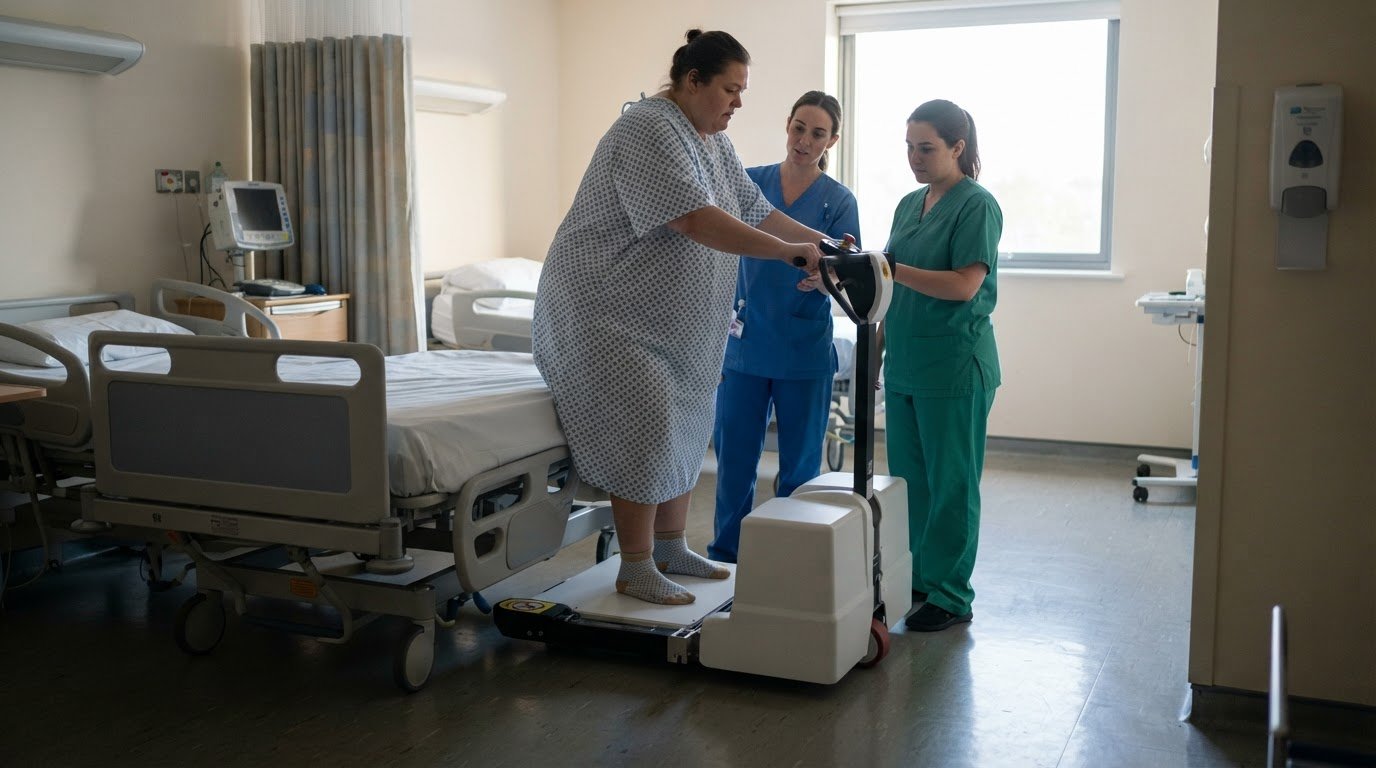
Safe handling supports dignity when it protects the patient while preserving their participation. Follow the care plan and assess the person’s current mobility, comfort and ability to assist. Explain the intended movement, clear the route and choose suitable equipment. Then encourage the patient to do what they safely can, rather than assuming they cannot take part. This can make the transfer feel more controlled and less like something being done to them.
Use a transfer technique suited to the movement and the person’s needs. Log rolling, for example, helps keep the spine aligned during a turn, while appropriate equipment can support movement between surfaces. Staff should be trained in transfer techniques and equipment use, and seek assistance when a move needs more support. Coordinated movement helps avoid sudden pulling or conflicting instructions that could cause discomfort or distress.
Comfort also depends on the details around the move. Check that the patient’s clothing or gown is secure, their position is supported and they can report pain or discomfort. Give the person time to prepare, and pause if they signal a problem. Once they have moved, check that they are settled comfortably and that essential belongings, such as glasses, are within reach if appropriate.
For teams considering how to improve patient dignity during transfers, safe equipment use should support, not replace, individual care. In Washington State, after 31 rural community hospitals implemented a zero-lift programme replacing manual patient lifting with equipment and devices, patient-handling injury claims decreased by 43 percent. This example shows how equipment can form part of a planned approach, while staff remain attentive to each patient’s comfort.
A practical way to improve patient dignity during transfers is to keep the patient involved throughout. Before moving someone from a bed, explain where they are going and what support will be used. During the transfer, ask how they are feeling and adjust the pace or positioning if needed. Afterwards, invite them to describe any discomfort so the care team can take it into account next time.
To explore equipment designed to support patient transfers, view patient transfer solutions and consider how suitable systems could fit into your handling approach.
RIHA Industries
RIHA Industries helps healthcare teams support safer patient movement with transfer systems and bed movers designed for healthcare settings. When reviewing transfer practices, consider whether equipment can support coordinated handling while fitting into existing hospital equipment and workflows. RIHA Industries offers the StaminaLift Transfer System 5000 and StaminaLift Transfer System 6000, alongside the StaminaLift 2100 Bed Mover, Easi Rider and Easi Mover.
Choosing suitable equipment is one part of a dignified transfer approach. Staff communication, patient preferences, consent and privacy remain central to each move. If your facility is considering patient transfer equipment to support its handling needs, contact RIHA Industries to discuss your requirements.
Make dignity part of every transfer
Understanding how to improve patient dignity during transfers helps healthcare teams turn good intentions into consistent practice. The next step is to include patients’ perspectives in everyday planning. Invite them to share what makes movement more comfortable, then use that feedback to shape how care is delivered.
Teams can also consider how the transfer feels from the patient’s point of view. Do they know what will happen next? Can they take part in decisions and signal when they need a pause? A brief discussion after a transfer can reveal where communication, coordination or equipment choices could better support the experience.
For healthcare settings reviewing their patient-handling approach, RIHA Industries can discuss transfer equipment options suited to the facility’s needs. Contact RIHA Industries to talk through your requirements and explore a considered next step. Each respectful transfer can help build a care environment where people feel heard, involved and treated with dignity.
Frequently Asked Questions
What equipment should I use to transfer patients safely?
Use equipment suited to the patient’s movement needs and the surfaces involved. A transfer board can assist movement between nearby surfaces, while slide sheets can help with repositioning. A mechanical lift may be appropriate when a person needs more support than these aids provide. Consider the patient’s mobility, comfort and ability to participate, and follow the equipment instructions and care plan for the specific transfer.
What is Safe Patient Handling and why does it matter?
Safe Patient Handling means planning movement around the person’s abilities, the task and suitable handling methods. This matters because relying on manual effort alone can increase strain for staff and discomfort for patients. For example, a care team might assess whether someone can bear weight before choosing a transfer method. Suitable equipment, staff coordination and training help control the movement and support patient participation.
What steps help preserve privacy and dignity during patient transfers?
Before moving someone, limit the people present to those needed for care and keep personal information private. Give the patient time to prepare, protect their clothing and belongings, and restore their privacy once they are settled. After a transfer to a chair, for example, check that their clothing is comfortable and personal items are accessible. These follow-up steps help prevent the person from feeling exposed or overlooked.
How should caregivers communicate with patients before and during transfers?
Use short, clear instructions and agree on a simple cue before movement begins, such as “ready”. During the transfer, describe changes in direction or position before they happen. Give the patient time to respond, and watch for non-verbal signs of discomfort, such as tensing or pulling away. If you notice a change, pause when safe and ask what would help before continuing.
How can caregivers obtain consent and support patient choice during transfers?
Explain the proposed movement and ask the patient’s agreement before beginning. Offer practical choices, such as whether to pause first or which suitable destination to move towards. Consent is not a one-off instruction: check that the person remains comfortable as the transfer progresses. If they decline, stop and discuss their concern rather than treating silence or lack of resistance as agreement.
How can staff accommodate cultural, language, disability and gender preferences during transfers?
Ask each patient what would help them understand and feel comfortable, rather than guessing from their identity or diagnosis. Arrange communication support when language differences affect understanding, and adapt instructions for hearing, vision or cognitive needs. For instance, a patient with hearing difficulty may benefit from facing the caregiver during instructions. Ask about preferences concerning caregiver gender, then include relevant information in the care plan.
What are common transfer-related risks and how can they be prevented?
Common risks include falls, pain, skin friction, loss of balance and staff strain. Reduce them by assessing the patient’s current ability, clearing the route and choosing a suitable transfer method before movement. Check that the destination is stable and that the patient can communicate discomfort. If their condition or mobility has changed since the plan was made, reassess rather than assuming the previous approach is still suitable.